Coordinating Multi-Product Growth & Platform Fit
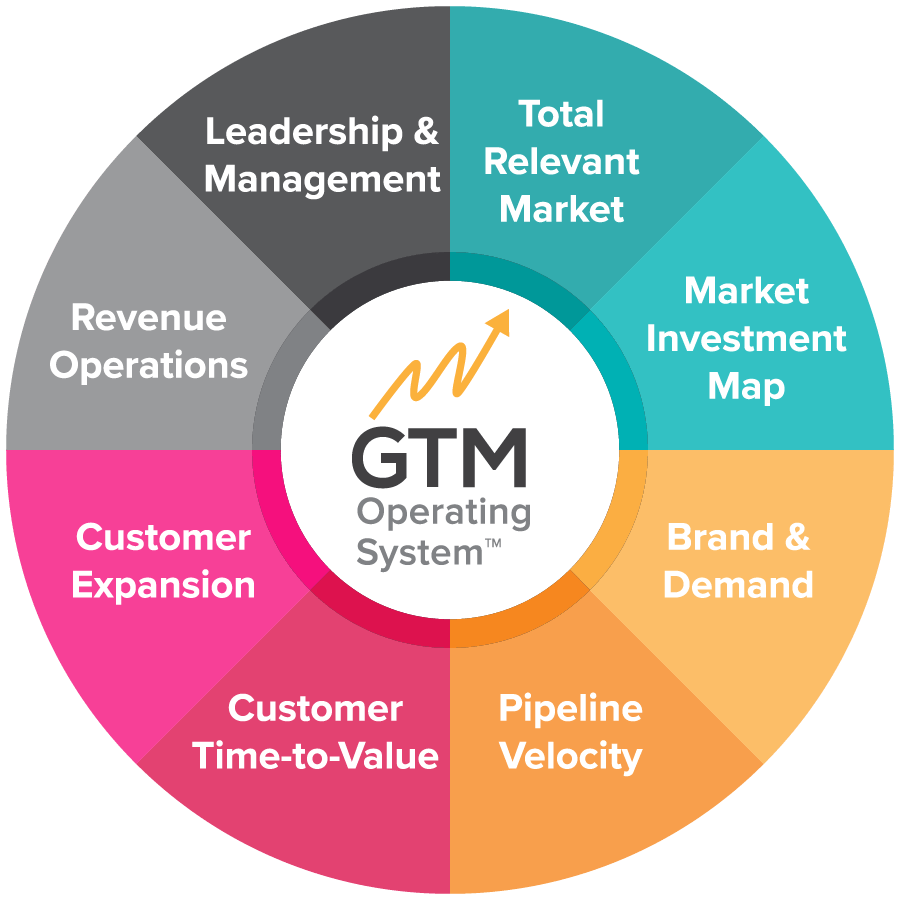
Align products, business units, regions, and customer teams around one GTM operating system. GTM OS helps scale-stage leaders prioritize the portfolio, coordinate revenue motions, strengthen cross-sell and expansion, and build one shared view of GTM health.
“At scale, complexity is both an advantage and a risk. The goal is not simply to grow more products, regions, and motions—it is to make them reinforce one another.”
 Use Cases Hub
When Portfolio Complexity Breaks Organizational Alignment
As companies move into the scale stage, the GTM challenge changes from proving one repeatable motion to coordinating many products, markets, motions, and customer relationships at once.
Growth breaks when organizational complexity expands faster than the systems required to govern it. Product lines develop competing narratives, regions pursue conflicting motions, cross-sell stalls, and leadership loses a shared view of where growth is actually coming from.
Multi-Product Complexity Dilutes the Narrative
As product lines expand, positioning fragments. Customers struggle to understand the platform story, sellers default to pitching individual products, and the company loses a coherent value narrative.
Organizational Silos Create Conflicting GTM Motions
Business units, regions, and functional teams pursue different priorities, creating overlapping motions, inconsistent incentives, and a disjointed customer experience.
Valleys of Death 4 & 5 Expose Platform Friction
The company must move from individual product performance to coordinated platform value. Misaligned offers, adoption paths, and customer journeys make expansion harder and reduce the value of the broader portfolio.
Cross-Sell and Upsell Stall
Without a clear expansion architecture, account teams struggle to identify the next best product, use case, or motion—leaving installed-base growth dependent on individual seller behavior.
Executive Alignment Breaks Across Business Units
General Managers, Product, Sales, Marketing, and regional leaders optimize different goals. Strategic decisions become political debates rather than explicit tradeoffs grounded in shared data.
Fragmented Data Creates Blind Spots
Different CRMs, product systems, billing tools, and regional reporting make it difficult to see customer health, product adoption, expansion risk, and portfolio performance in one place.
At the scale stage, the challenge is not simply to grow. It is to grow cohesively—so products, motions, regions, and teams reinforce one commercial direction.
How GTM OS™ Is Applied to Scale-Stage Enterprises
Establish Platform-Market Fit Across the Portfolio
Evaluate Platform-Market Fit at the portfolio level, not product by product. Align the company around a shared platform narrative, integrated customer transformation, and clear cross-product value.
How does each product strengthen the economic value of the overall platform?
Prioritize the Portfolio With the Market Investment Map
Allocate commercial headcount, marketing spend, product investment, and leadership attention across products, segments, customer tiers, and geographies based on economic value—not internal politics or historical momentum.
Which products, customer tiers, and regions deserve the next dollar of investment?
Orchestrate Multiple Revenue Motions Across the Portfolio
Define how Enterprise Outbound, Product-Led Growth, Partner-Led, Inbound, Event-Led, and other motions work together across products and segments. Assign clear ownership so motions reinforce each other instead of competing for the same accounts.
How do enterprise sales, product-led usage, and partner motions reinforce one another rather than compete?
Create One Source of Truth for Expansion & Portfolio Health
Connect customer, product, pipeline, billing, and revenue data into one operating view. Use shared adoption and value signals to identify expansion opportunities, renewal risk, and portfolio performance before issues surface in the quarter.
Do we have one trusted view of customer health, expansion opportunity, and portfolio performance?
What Changes When the Multi-Product Portfolio Is Aligned
One Coherent Platform Story
Products and business units align around one value narrative, helping customers understand the platform instead of experiencing disconnected product pitches.
More Systematic Cross-Sell & Expansion
Expansion becomes a coordinated company motion driven by customer value, product adoption, and account potential—not ad hoc seller behavior.
Fewer Regional and Functional Conflicts
Sales, Product, Marketing, Customer Success, and business-unit leaders operate from shared priorities, ownership, and customer outcomes.
One Executive View of Portfolio Health
Leadership gains a trusted cross-functional view of NRR, margin, pipeline velocity, adoption, and expansion across products and regions.
Better Capital Allocation Across the Portfolio
Investment decisions become more explicit: where to add capacity, where to reallocate resources, and which products, markets, or motions should be deprioritized.
Key Focus
Portfolio Coordination & Enterprise Expansion
How scale-stage enterprise leaders use GTM OS to align multi-product portfolios and orchestrate durable customer expansion.
"TRM pushed us past basic firmographics. The “researchers as a percentage of employees” signal was a breakthrough—it points us to innovative brands actually investing in research, which is the kind of fit that drives outcomes for us."
"The strength of the GTM OS is its focus. It moves you past the question of 'Where can we grow?' to asking, and answering, 'Where can we grow the most?"
"Achieve crystal-clear strategic alignment and immediate organizational engagement with a GTM framework that clearly resonates with every team."
Make the Portfolio Operate Like One GTM System
A Certified GTM OS Partner can help your executive team align the portfolio, prioritize investment, coordinate revenue motions, and create one shared operating view across products, regions, and customer teams.