The 6 GTM MotionsHow Modern B2B Companies Design Multi-Motion Architectures
Understand Inbound-Led, Outbound-Led, Product-Led, Partner-Led, Event-Led, and Community-Led motions — and how to orchestrate them without organizational chaos.
 Framework Library
What a Go-to-Market Motion Actually Is
A GTM Motion is not a marketing campaign, a sales channel, or an ad tactic. It is a complete, dedicated operating approach that determines how demand is generated, how buyers are engaged, how value is delivered, and what resources across Marketing, Sales, CS, and Product are required to scale efficiently.
When a company enters a new market, launches a new product, or targets a new customer tier, leaders must ask: "Can this be sold and delivered in the same way with our existing resources?" If the answer is no, you are launching a new GTM Motion that requires its own investment, process, and ownership.
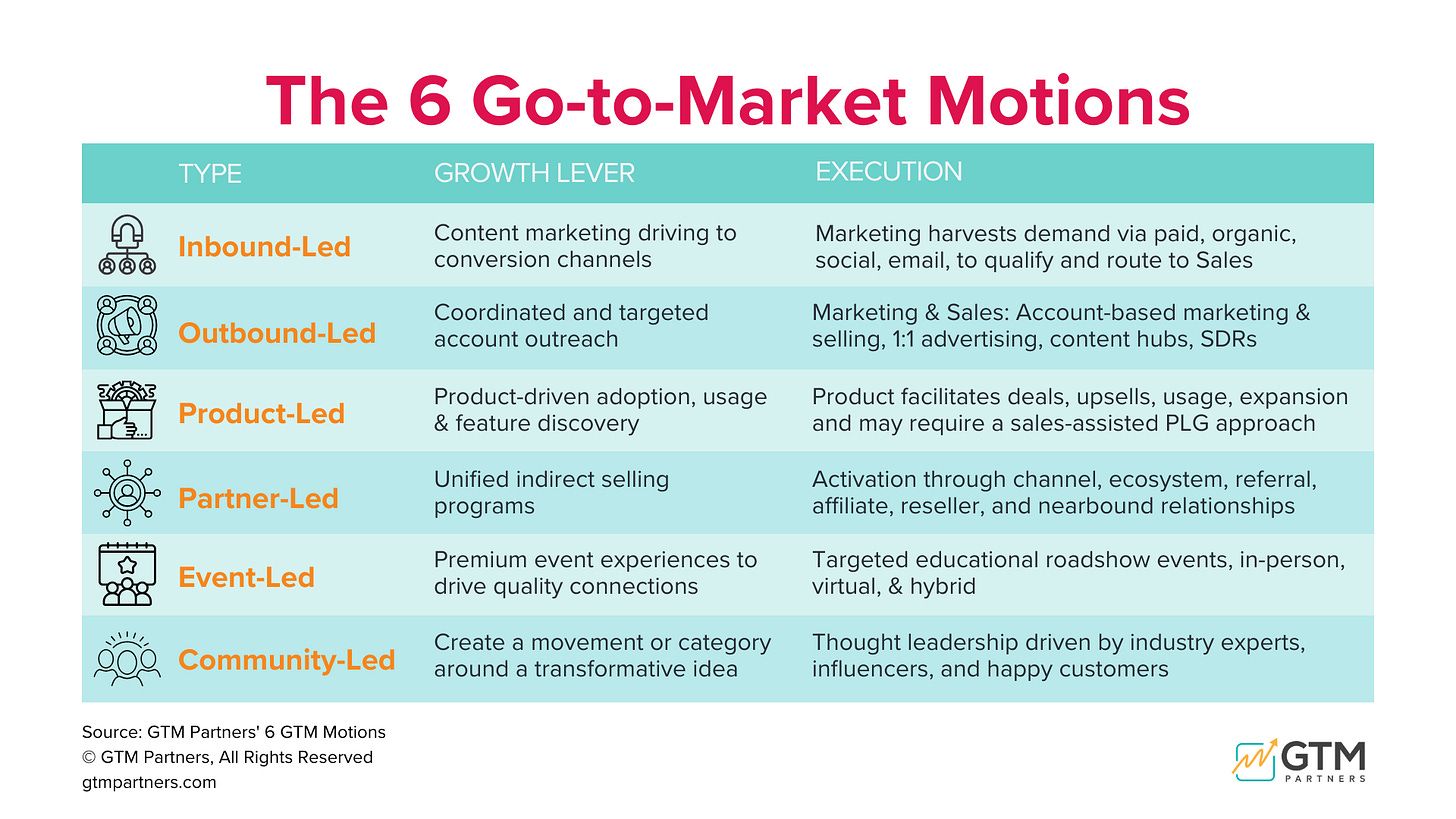
Inbound-Led Growth
Content marketing & search intent driving to conversion channels.
Where It Fits Best: High-volume problem research where buyers seek educational answers before talking to sales.
Execution Model: Creating high-value research, POV guides, and ungated resources that pull buyers into demo or evaluation flows.
Outbound-Led Growth
Targeted account-based orchestration and strategic outreach.
Where It Fits Best: High ACV enterprise accounts with defined buying committees that require proactive interruption.
Execution Model: Tight marketing and sales coordination using ICP tiering, personalized POV messaging, and executive touches.
Product-Led Growth (PLG)
Product-driven trial, usage, activation, and feature discovery.
Where It Fits Best: Frictionless entry points where end-users can experience value quickly before an enterprise sale.
Execution Model: Freemium, self-serve onboarding, or free tools combined with sales-assisted enterprise expansion motions.
Partner-Led Growth
Unified indirect selling, technology ecosystems, and nearbound channels.
Where It Fits Best: Complex solutions where trusted advisors, system integrators, or technology alliances influence deals.
Execution Model: Aligning with complementary ISVs, co-marketing with integration partners, and empowering reseller channels.
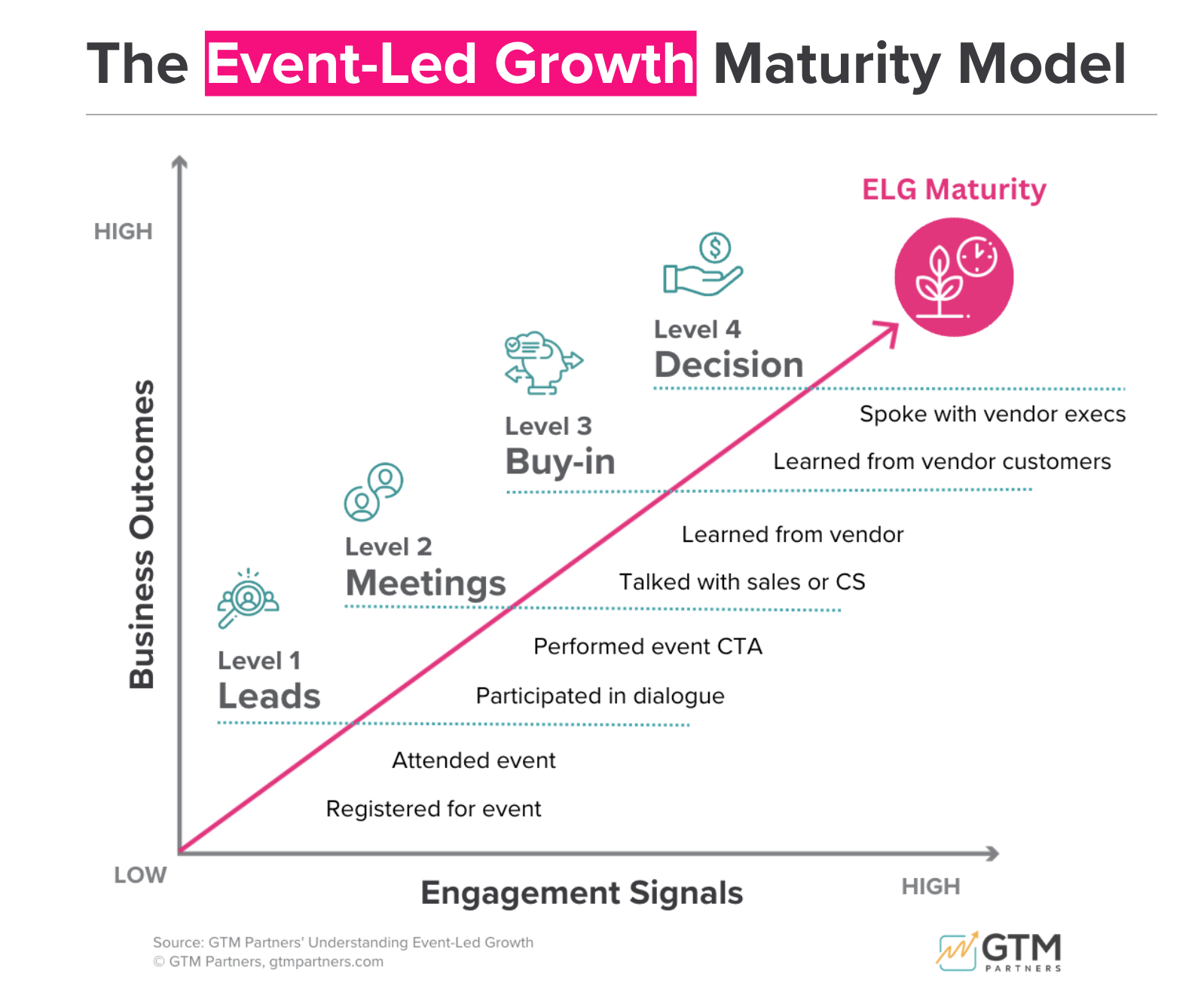
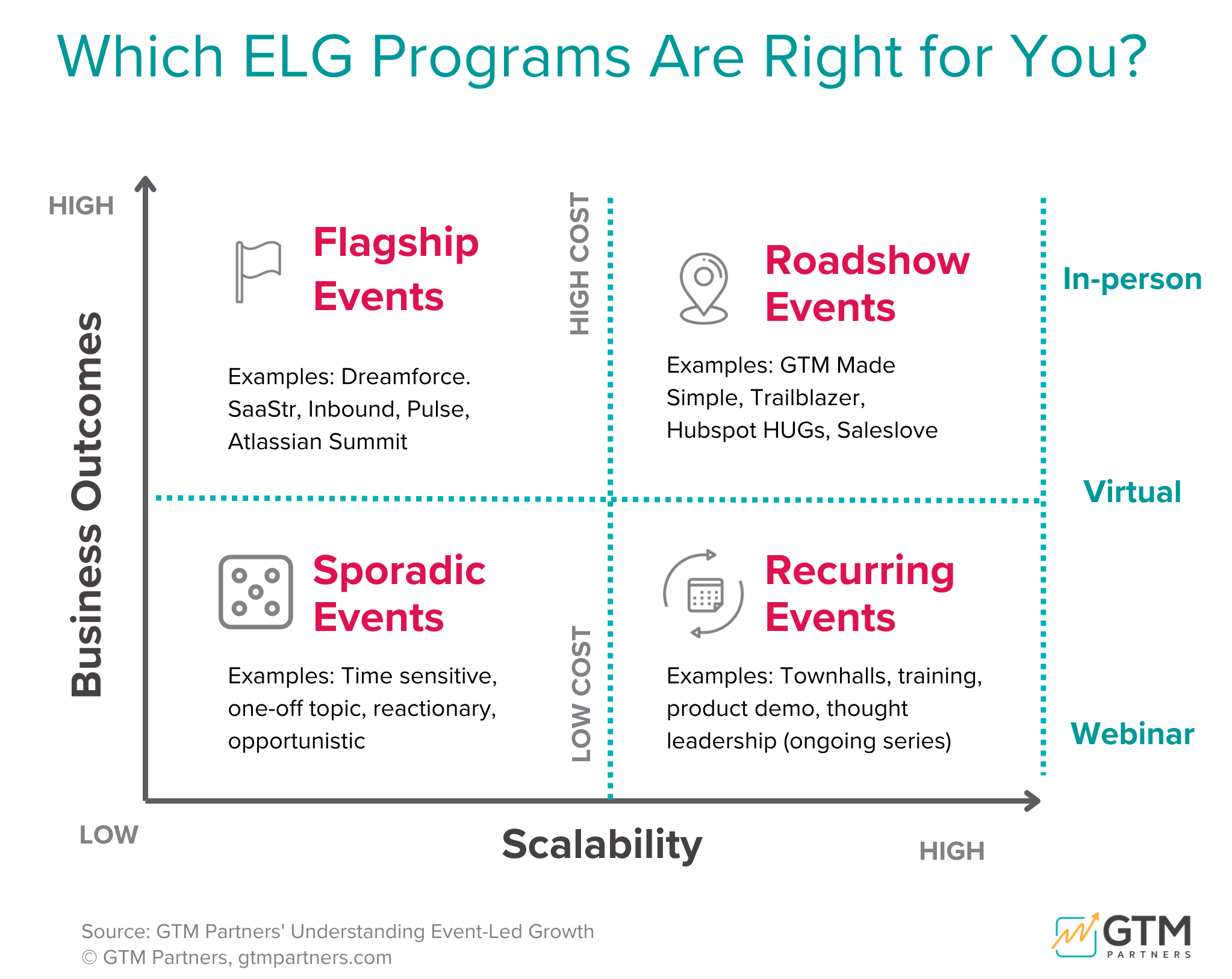
Event-Led Growth
Proprietary summits, roundtables, and micro-dinners creating executive urgency.
Where It Fits Best: C-suite networking and high-touch deal acceleration for strategic tier-1 accounts.
Execution Model: Designing events around exclusive peer exchange and category thought leadership rather than generic trade show booths.
Community-Led Growth
Practitioner networks, peer advocacy, and organic category influence.
Where It Fits Best: Categories with strong practitioner identity where buyers rely heavily on peer recommendations.
Execution Model: Building spaces where professionals learn from one another and advocate for your category philosophy.
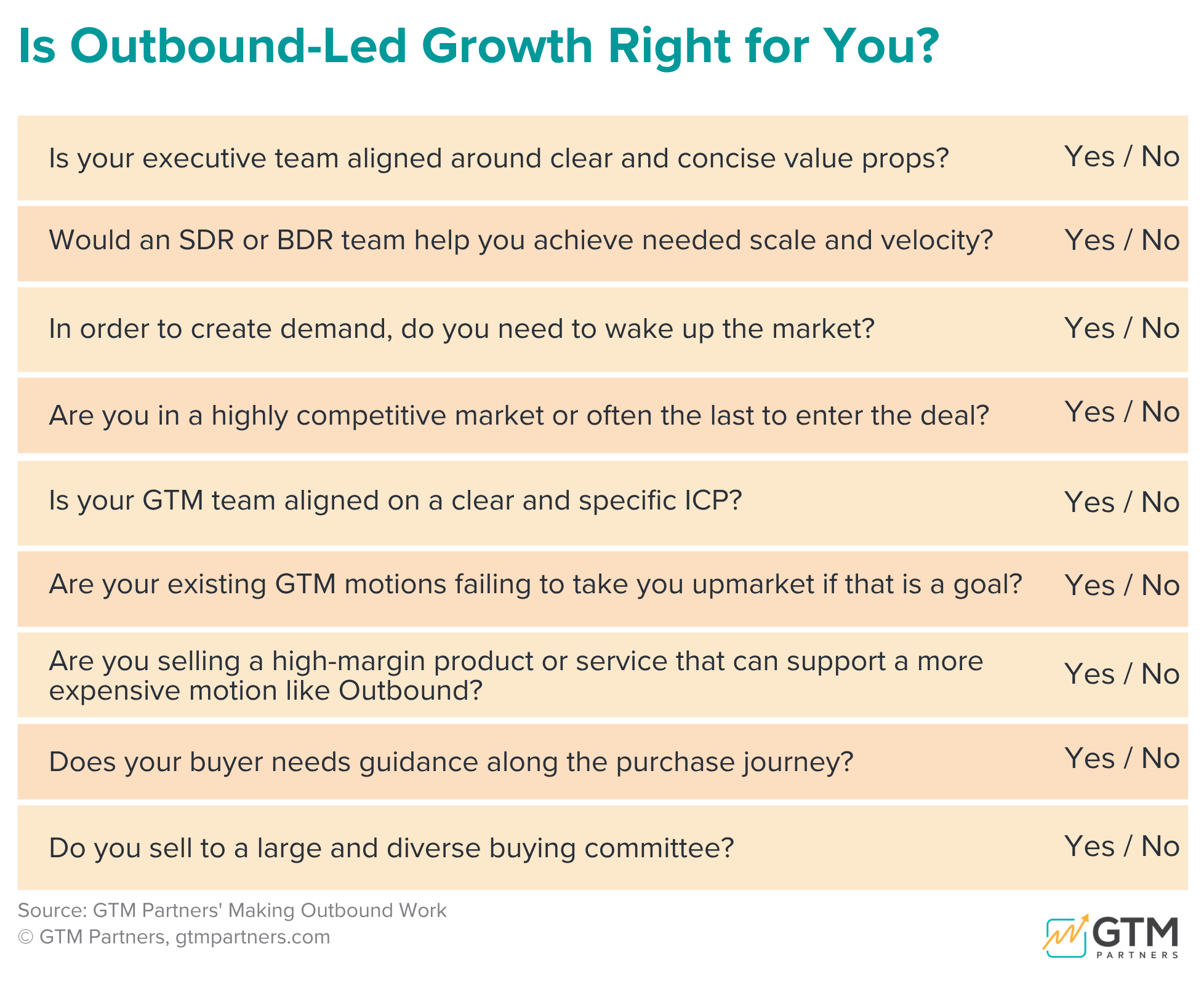
Diagnostic Assessments & 2x2 Decision Matrices
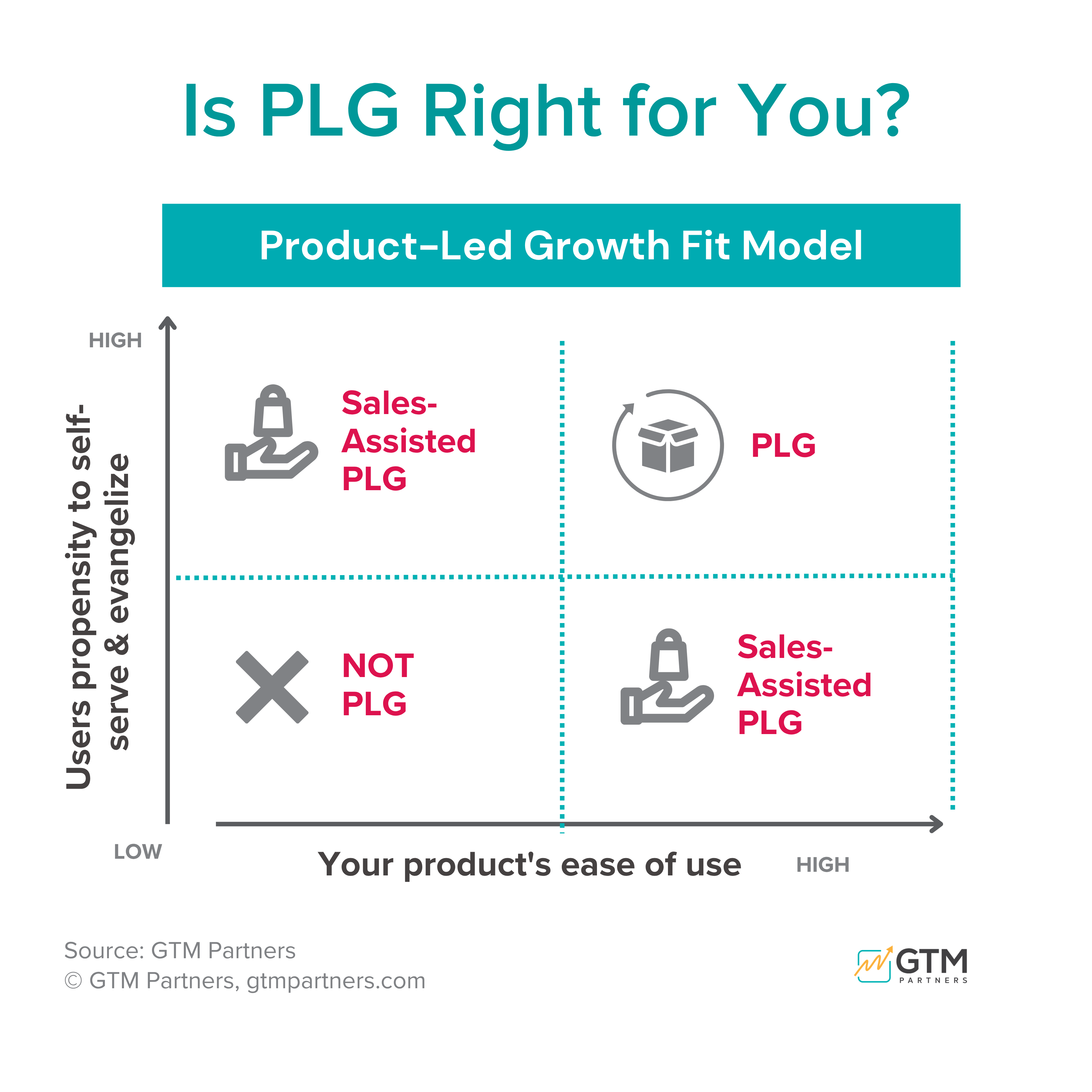
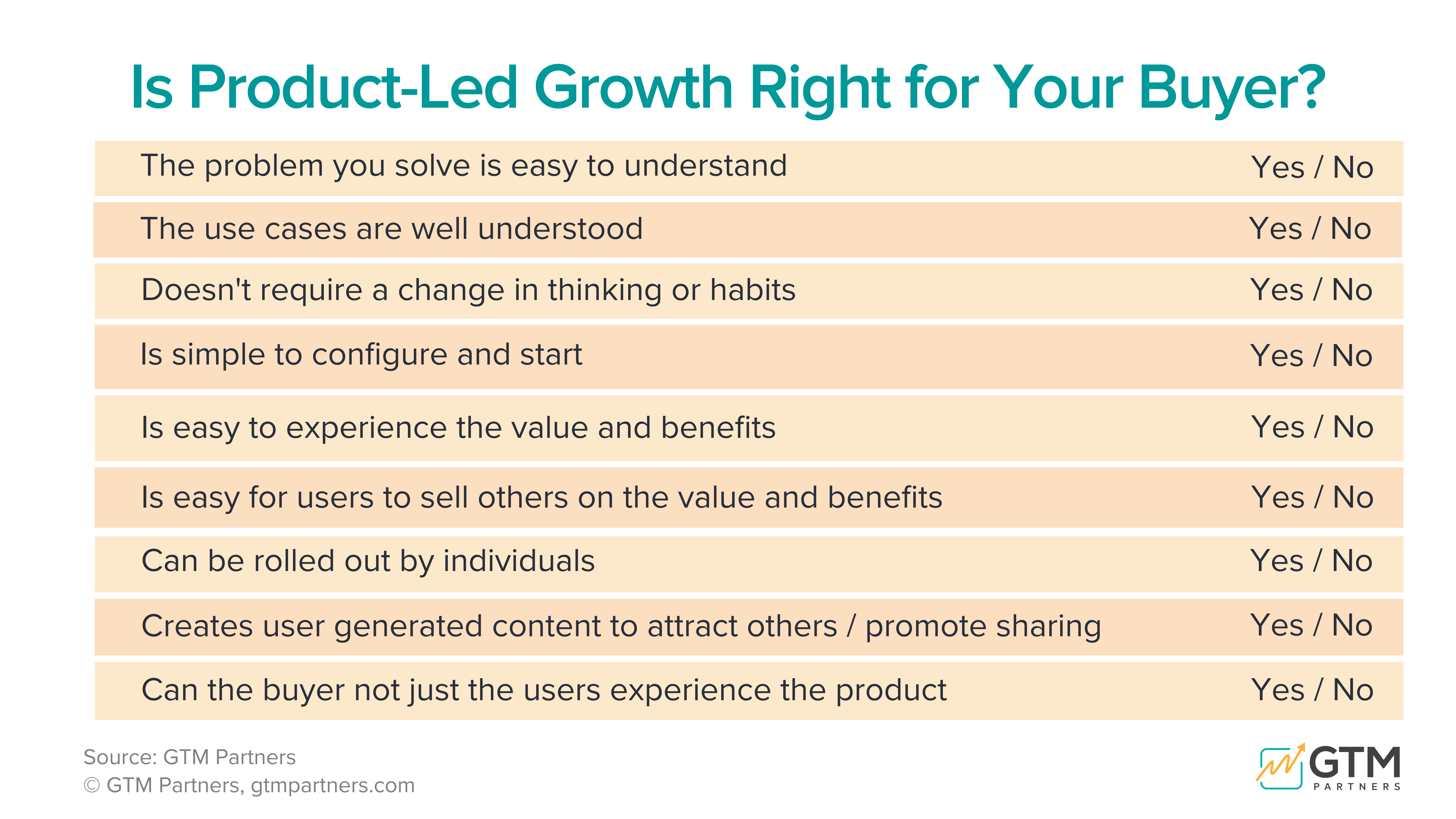
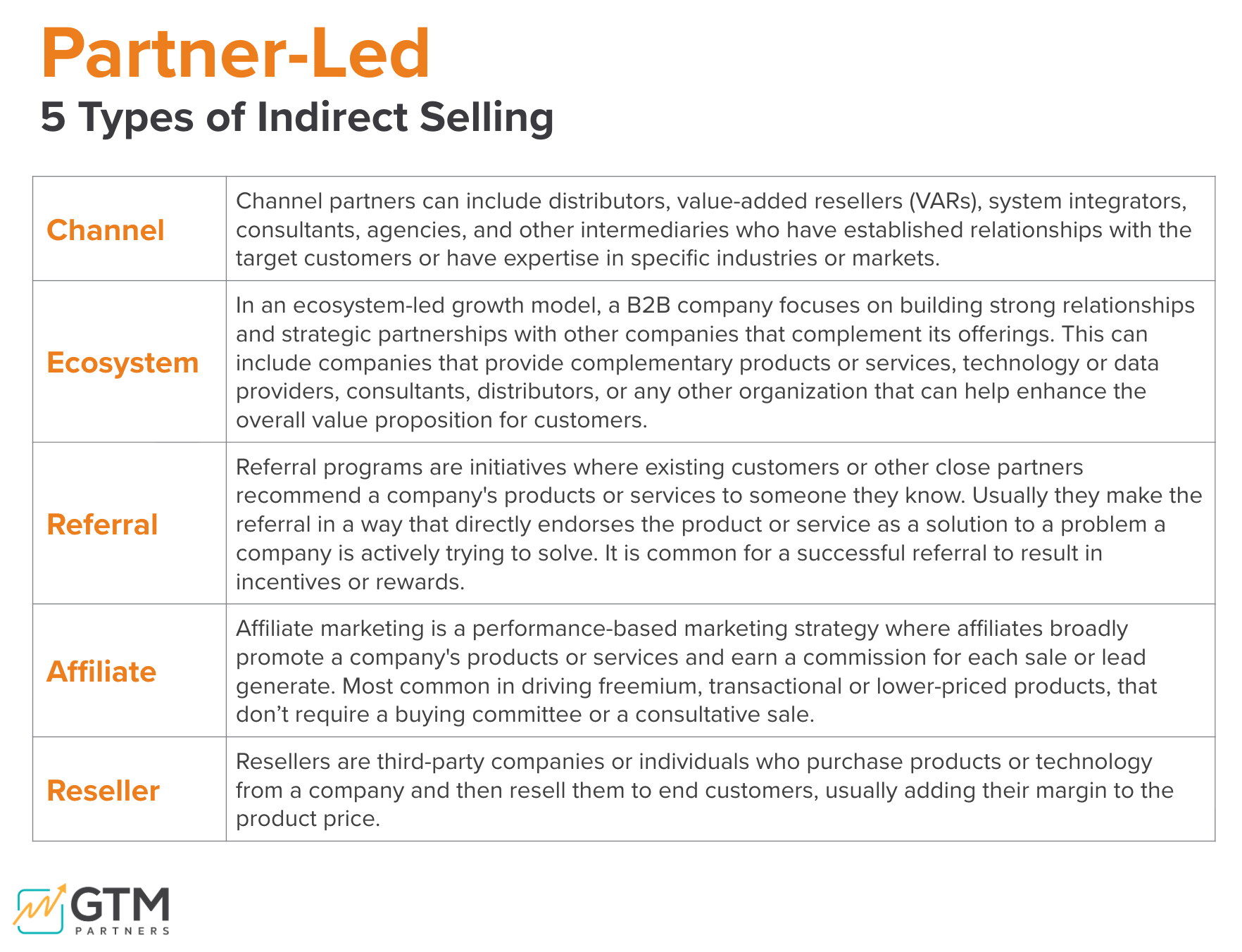
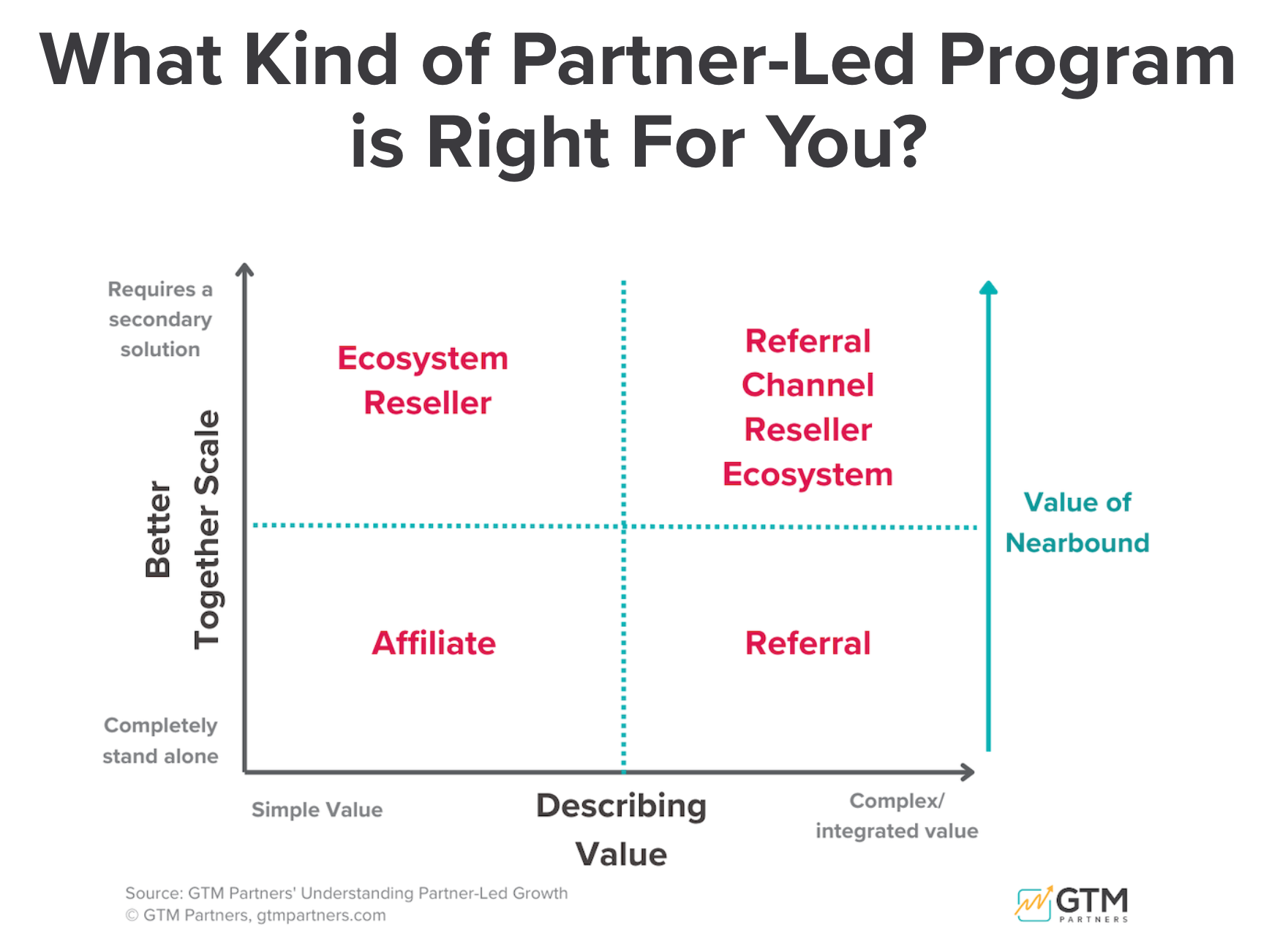
Choosing the wrong GTM motion or prematurely scaling an unproven motion burns runway. Use GTM Partners' diagnostic assessments to determine if your product, market economics, and buyer persona qualify for each motion.
Running Multiple Motions Without Burning Out Your Team
Most companies scaling past $10M ARR operate multiple GTM motions concurrently (e.g., PLG for SMB + Outbound ABM for Enterprise + Partner-Led for international expansion).
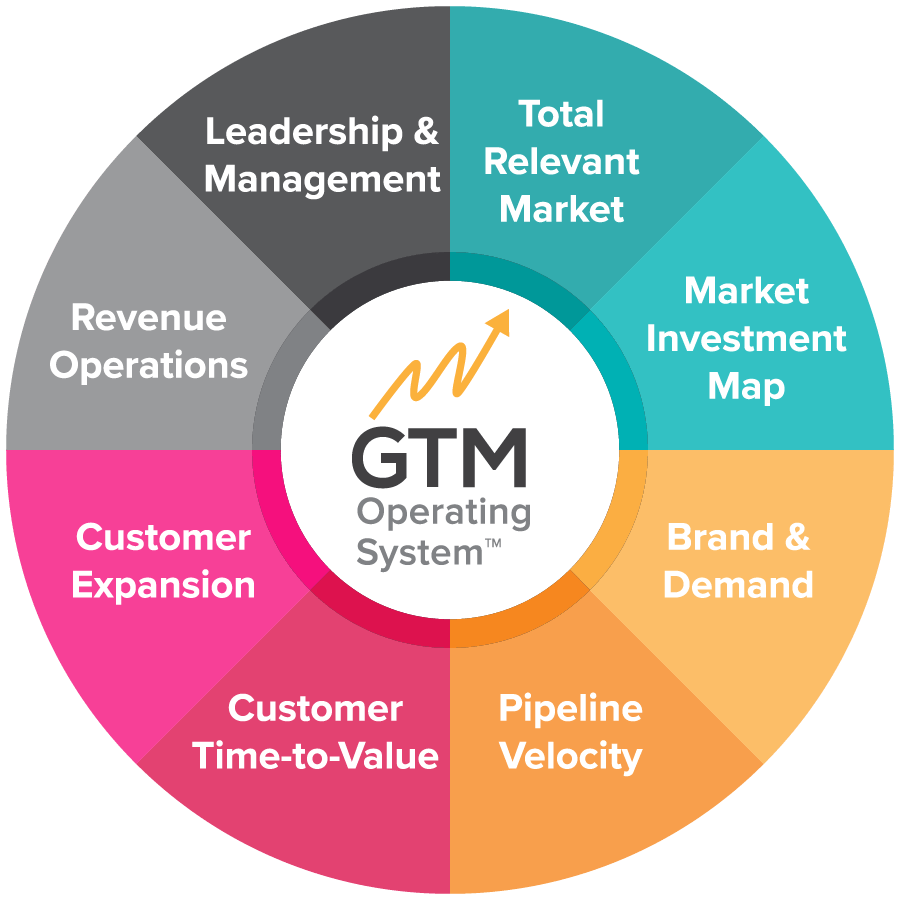
The danger is not running multiple motions — it is running multiple motions through a single blended funnel where metrics, conversion benchmarks, and sales playbooks are mashed together. To scale sustainably, companies map each motion as a dedicated Revenue Motion inside the GTM Operating System.
What GTM Leaders Say About Revenue Motions
Perspectives on mapping product-market fit segments to distinct revenue plays.
"The biggest shift for me was realizing we needed to stop thinking about the market as one broad audience. This work helped us clarify which segments map to which revenue motions, and that gives marketing a much clearer way to focus our effort."
Design Your Multi-Motion Growth Strategy
Connect with a certified GTM OS partner to evaluate your current motion efficiency, identify high-ROI motion expansions, and build your multi-motion execution roadmap.