Builders of Modern Go-to-Market Categories
Bryan Brown and Sangram Vajre have spent more than two decades building companies, creating GTM frameworks, completing 8 corporate acquisitions, and working with executive teams through major shifts in how B2B companies grow. Their shared body of work ultimately led to the GTM Operating System™.
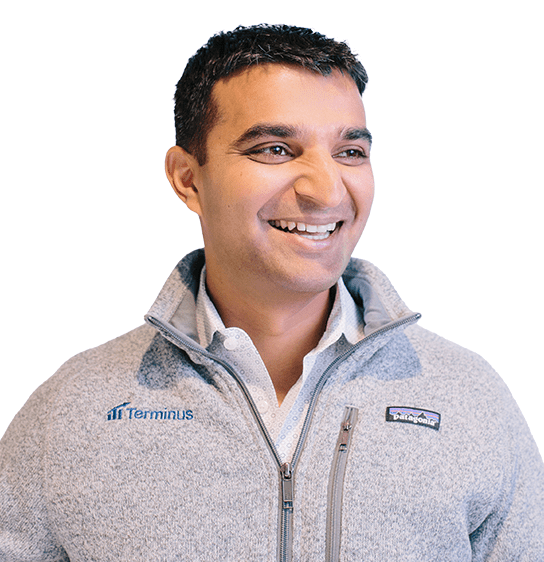
Sangram Vajre
LinkedIn ↗Sangram Vajre is a multi-time category creator, three-time author, entrepreneur, advisor, and pioneer of modern B2B go-to-market. As CMO of Pardot, he helped scale the business through its acquisition by ExactTarget and Salesforce. He later co-founded Terminus and helped build Account-Based Marketing into a global B2B category through the #FlipMyFunnel movement and Terminus' hypergrowth through private-equity exit.
As founder and host of #FlipMyFunnel, Sangram personally interviewed 1,000+ CEOs and GTM executives, giving him unusual pattern recognition into how leadership teams build, scale, and transform their go-to-market. He has also served as an advisor and board member to multiple technology companies, including as an Executive Advisory Board Member at G2, extending that perspective across a broad range of B2B businesses.
Sangram is a prolific executive educator and keynote speaker with an audience of 60,000+ followers on LinkedIn. He has spoken for nine consecutive years at HubSpot INBOUND and has delivered keynotes and executive sessions for organizations and communities including Insight Partners, Pavilion, Gainsight Pulse, MarketingProfs, Exit Five, and B2SMB Institute. His speaking and education work has reached thousands of CEOs, CROs, CMOs, operators, and investors worldwide.
He is the author of the Wall Street Journal bestseller MOVE: The 4-Question Go-to-Market Framework, Account-Based Marketing For Dummies, and ABM is B2B, and an official LinkedIn Learning instructor. That combination of category creation, operating experience, advisory work, and direct pattern recognition from thousands of executive conversations helped expose the recurring problems GTM OS was built to solve and shaped the way GTM Partners codified the system.

Bryan Brown
LinkedIn ↗Bryan Brown is a SaaS pioneer, multi-time CPO, and strategy executive with operating experience from startup through scale, acquisition, enterprise integration, and private-equity exit. He co-founded Vtrenz, helping pioneer early marketing automation, then helped scale Silverpop from roughly $20M to $80M in revenue before its acquisition by IBM. Bryan played a central strategic role in the sale process and later led GTM strategy inside IBM Commerce, integrating Silverpop as the core SaaS marketing platform within IBM's broader marketing and commerce portfolio.
He later helped scale Terminus from roughly $2M to $50M before its private-equity exit. Across Silverpop and Terminus, Bryan led 8 corporate acquisitions and repeatedly operated beyond the traditional product remit—spanning corporate strategy, GTM architecture, M&A, market positioning, executive planning, and integration.
Trained in Design Thinking and Duarte Presentation methodology, Bryan is a master facilitator who has led hundreds of executive workshops and spent thousands of hours helping CEOs and leadership teams diagnose and implement GTM OS—from public enterprises, to PE-backed portfolio companies, to family-owned businesses across SaaS and non-SaaS industries. That combination of operating, scaling, M&A, and facilitation experience directly informed the problems GTM OS was built to solve and the way GTM Partners designed the system.
As an authority on AI in Go-to-Market, Bryan actively teaches C-suite leadership teams how to strategically deploy AI across their revenue engines to inform decision-making. He is the co-author of WSJ bestseller MOVE and lead instructor for LinkedIn Learning masterclasses on B2B Go-to-Market.
Three Waves That Shaped Our View of Go-to-Market
Our thinking about GTM was not created in a conference room. It evolved through three major shifts in how B2B companies attract, convert, serve, and expand customers.
Marketing Automation
Bryan co-founded Vtrenz, helping pioneer early marketing automation capabilities including multi-step nurture, behavioral lead scoring, and real-time sales visibility into account engagement. Vtrenz was acquired by Silverpop, where Bryan helped scale the business from roughly $20M to $80M in revenue before its acquisition by IBM. Sangram served as CMO of Pardot through its acquisition by ExactTarget and Salesforce.
This era taught us how technology could connect demand generation, lead nurturing, customer data, and measurable revenue outcomes.
Account-Based Marketing
Sangram co-founded Terminus and helped build the #FlipMyFunnel movement during the rise of Account-Based Marketing, while Bryan joined as Chief Product Officer and strategy executive, helping scale the company from roughly $2M to $50M in revenue and building a broader platform through acquisition before private-equity exit.
Together, this work reinforced a critical lesson: growth improves when teams organize around the right accounts and customers rather than departmental activity.
Go-to-Market (GTM)
Following the publication of MOVE: The 4-Question Go-to-Market Framework, Bryan and Sangram founded GTM Partners and developed the GTM Operating System™, codifying GTM as an organization-wide operating model spanning Product, Marketing, Sales, Customer Success, RevOps, and executive leadership. After exiting Terminus to private equity, they deliberately chose not to build another software company, but to teach companies how to fix their GTM—because GTM is an organizational mindset, a management methodology, and an operating process, not software.
Today, thousands of leaders have graduated from the 10-hour GTM OS Masterclass, and 160+ Certified Implementation Partners undergo a rigorous 50-hour training program to help CEOs run on the 8-pillar GTM Operating System™.
Three Books. One Evolving View of GTM.
Each book captured a different stage in how our thinking about modern B2B go-to-market evolved—from account focus, to revenue-team alignment, to a company-wide operating system.
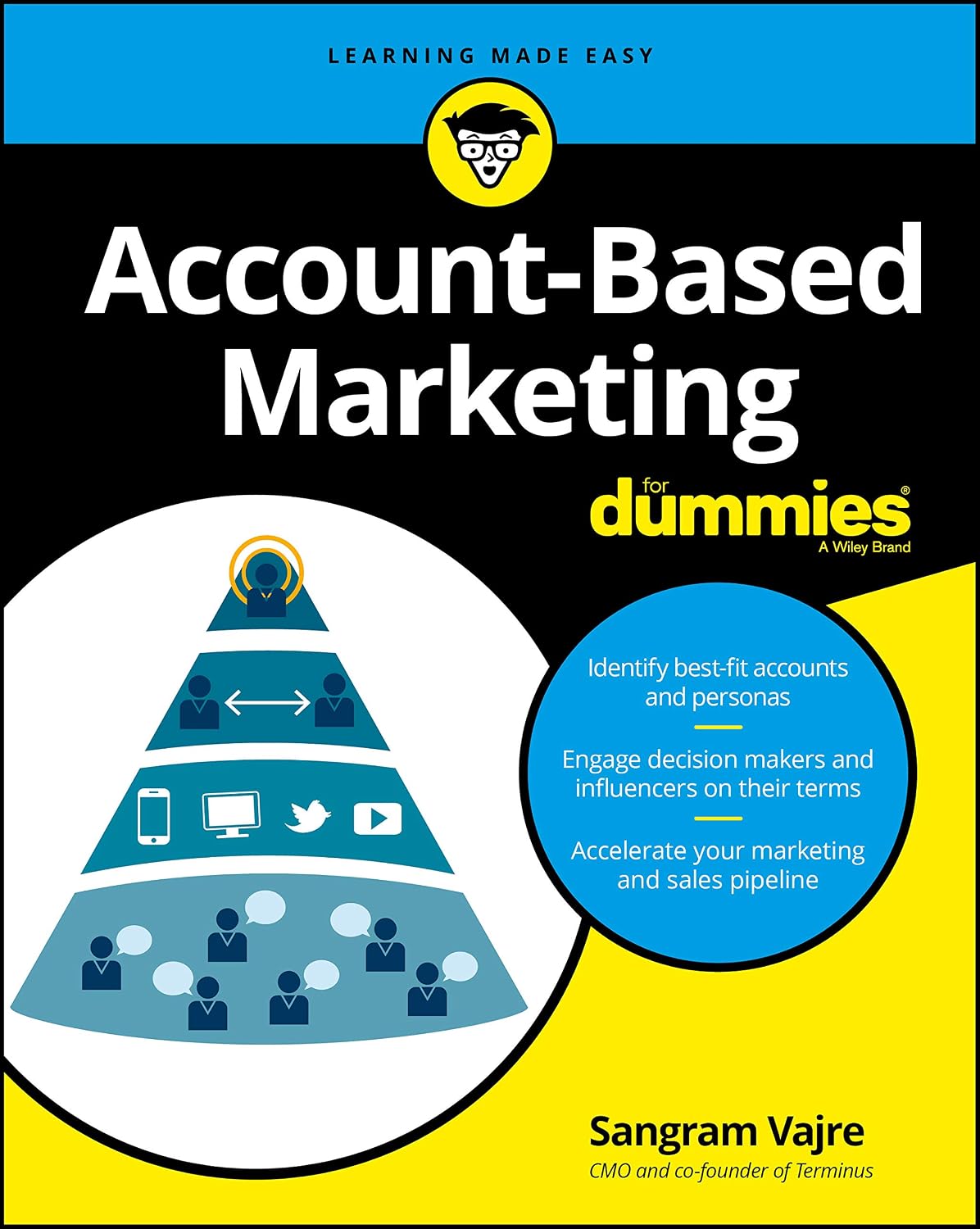
Account-Based Marketing for Dummies
Introduced practical principles for identifying and engaging the accounts most likely to create value.
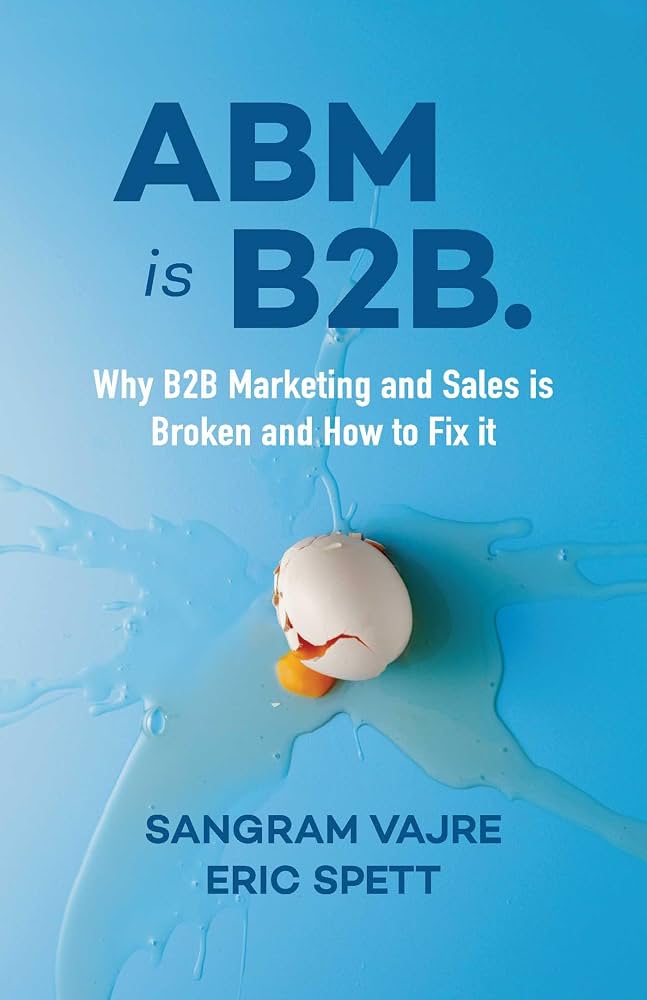
ABM Is B2B
Expanded account-based thinking beyond marketing into a broader approach to aligning revenue teams around the entire customer journey.

MOVE: The 4-Question Go-to-Market Framework
MOVE codified the four GTM questions—Market, Operations, Velocity, and Expansion—that leaders must continuously answer as their companies grow and change. It became the foundation for the GTM Operating System™.
Official Masterclasses & Accredited Courses
Tens of thousands of global revenue leaders and operators have been certified through our official masterclasses on LinkedIn Learning and HubSpot Academy.
B2B Go-to-Market Strategy
How to transform your revenue engine, align executive teams around the 3Ps, and establish a repeatable operating cadence. Taught by Bryan Brown and Sangram Vajre.
Account-Based Marketing Foundations
The definitive video masterclass on ABM methodology, account selection, and cross-functional orchestration. Taught by Sangram Vajre.
Building Your GTM Operating System
Official lesson on aligning executive leadership from Problem to Product to Platform-Market Fit. Taught by Sangram Vajre.
Built With Executive Teams in the Room
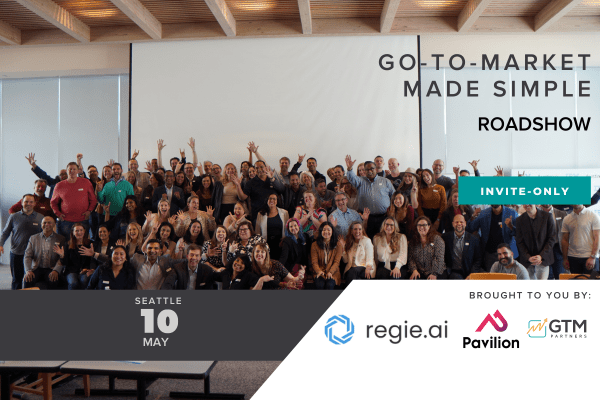
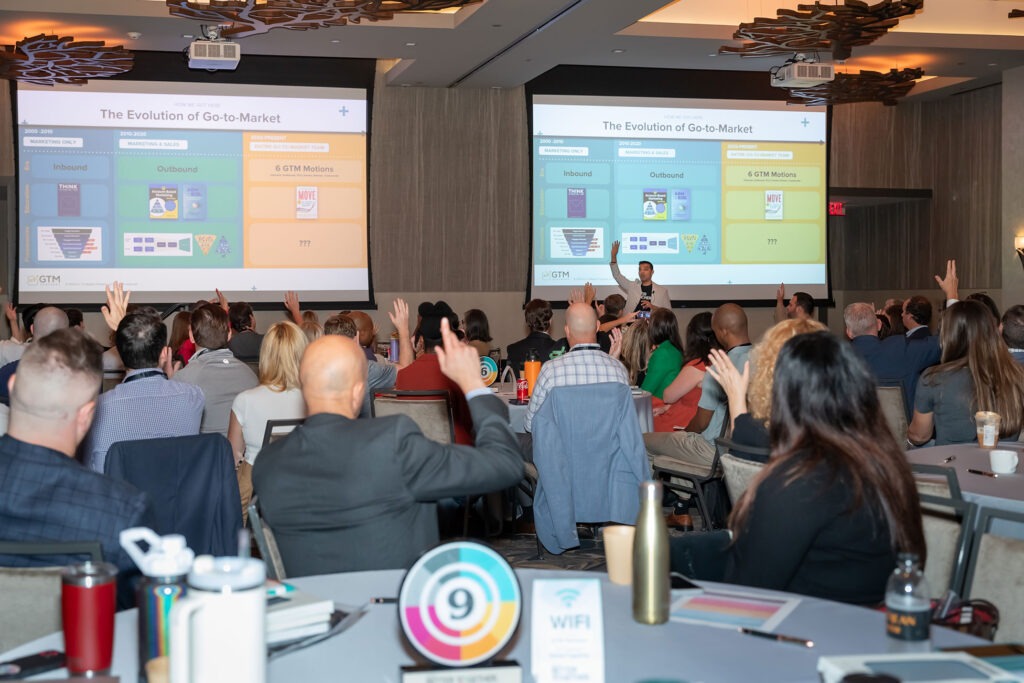
We have spent years pressure-testing these ideas with CEOs, CROs, CMOs, operators, investors, and GTM teams—turning practitioner experience into repeatable frameworks.
GTM OS Is the Result of the Journey
The GTM Operating System™ was not created as another management framework.
Bryan brought repeated operating experience across startup, scale, M&A, enterprise integration, product, and GTM strategy. Sangram brought category creation, executive leadership, market education, and pattern recognition from more than 1,000 CEO and GTM executive interviews.
Together, those experiences exposed the same recurring problem: companies had functional plans for Marketing, Sales, Product, Customer Success, and Operations—but no shared operating system for how the business actually goes to market.
GTM OS was built to solve that problem. It gives the CEO and executive team one system for connecting strategy, investment, execution, customer value, operating metrics, and leadership alignment.
Put the GTM Operating System to Work
Learn how the GTM Operating System™ connects strategic planning to execution—or find a Certified GTM OS Partner who can help your executive team implement it.